
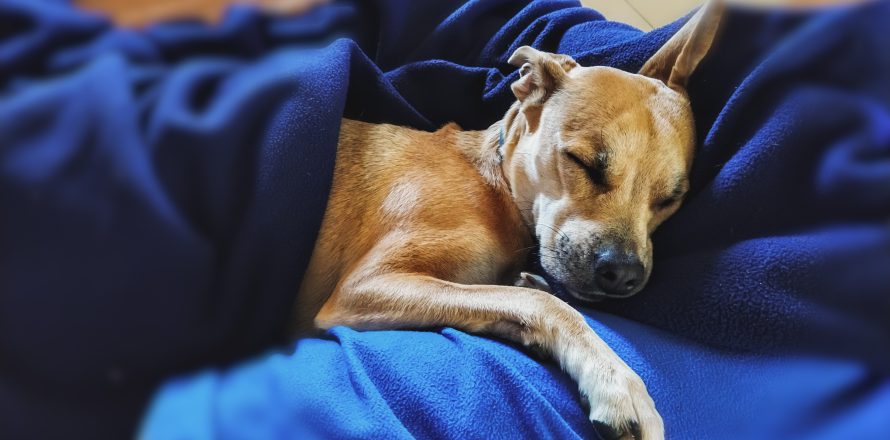
It may seem like our cats and dogs do little else but snooze, but there is quite a lot going on behind those twitching whiskers and paddling paws. Understanding their sleep patterns is essential for any dedicated pet owner. This week’s podcast helps to explain what’s going on.
How Much Sleep is Normal?
Our pets require significantly more rest than we do. While a human might aim for eight hours, pets operate on a much longer cycle:
- Puppies and Kittens: These energetic little things can sleep for up to 20 hours a day.
- Adult Pets: A healthy adult dog or cat usually averages between 12 and 16 hours.
- Senior Pets: As they reach their golden years, they often return to needing more rest, frequently sleeping for about 18 hours a day.
The Dreaming Mind
Just like us, pets experience REM (Rapid Eye Movement) sleep. While humans spend about 25% of their rest dreaming, pets spend about 10% of their time in this deep state. If you see your dog “chasing rabbits” in their sleep, it’s because the part of their brain that inhibits movement—the pons—doesn’t work quite as strictly as it does in humans.
You’ve likely seen the paws paddling or heard a little muffled whimper. This means when they’re dreaming of chasing a rabbit through a field or perhaps finding a stray sausage, their bodies actually try to keep up with the action. It’s perfectly normal, though a sudden bark in the dead of night can give a person a fright! While we can’t ask them exactly what they’re seeing, the physical evidence suggests their inner lives are just as vibrant as ours. It really does make one wonder if they wake up disappointed that the dream-rabbit got away. Whatever is going on, it seems unlikely that pets realise that their dream was just a dream. It must be very confusing for the poor creatures sometimes.
When Sleep Becomes a Concern
As pets age, their sleep can become disrupted, which is often a sign of cognitive dysfunction or early dementia. This can manifest as:
- Waking up at 2:00 or 3:00 AM and seeking attention.
- Pacing the floors, barking, or yowling.
- Disorientation caused by waking up in a pitch-black room.
Expert Tips for a Restful Night
To help a restless or senior pet settle, consider these professional recommendations:
- Warmth is Key: Use a plug-in electric bed heater under their blanket; cats, in particular, appreciate the extra heat as they have less body fat than dogs.
- A Guiding Light: Use a simple plug-in nightlight so they can orient themselves if they wake up confused in the dark.
- Strict Routines: Establishing a proper “shutting down” ritual for the household—perhaps a short stroll and a final biscuit 30 minutes before the lights go out—signals to your pet that the day’s adventures have come to a close
- Monitor Snoring: While some snoring is normal (especially in flat-faced breeds), keep an eye out for sleep apnea, where the pet might choke or wake up with a blue-tinged tongue.
If you find that your pet’s restlessness is affecting your own sleep quality, don’t hesitate to consult a professional, as mild sedatives or further medical intervention can often provide much-needed relief for both of you.
Listen to the podcast below.


Please note that I am unable to answer veterinary questions in comments. If you have questions or concerns about your pet's health it is always better to contact your vet.