
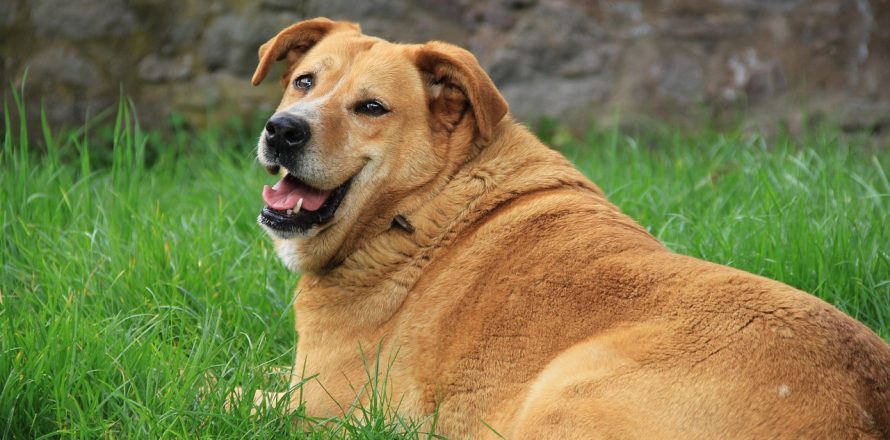
There was a recent article in the Guardian newspaper about Ozempic type injections being developed for overweight pets.
I was asked to comment on this on Newstalk’s Moncrieff Show recently.
The idea of using weight reduction injections, particularly GLP-1 receptor agonists like the active ingredient in Ozempic (semaglutide), for dogs has generated significant public interest but remains an unapproved and highly debated topic in veterinary medicine.
1. Current Status: Unapproved and Risky
-
Not Approved: Ozempic (semaglutide) is NOT currently approved for use in dogs or any other companion animal. Its safety, long-term efficacy, and appropriate veterinary dosage are unknown
-
Off-Label Danger: Administering the human version of Ozempic to a dog is dangerous. Pets metabolize drugs differently, and there have been documented cases of accidental ingestion or injection leading to severe side effects, including vomiting, diarrhea, lethargy, and potentially life-threatening hypoglycemia (dangerously low blood sugar).
-
Research is Developing: The veterinary biopharma industry is actively researching and trialing animal-specific GLP-1 analogues (often referred to colloquially as “Ozempup”). These future products aim to mimic the appetite-suppressing effects of human drugs but are being developed in forms like subcutaneous implants for controlled release, not weekly injections of the human drug. These are still in clinical trials (e.g., OKV-119).
2. Primary Veterinary Concerns
-
Diagnosis and Causality: Obesity is often a symptom of underlying issues like hypothyroidism, Cushing’s disease, or chronic pain (like arthritis, which reduces activity). A GLP-1 drug would mask these issues without addressing the root cause.
-
Nutritional Adequacy: GLP-1s suppress appetite. If a dog simply eats less of a standard food, they may experience severe nutritional deficiencies (starvation, not healthy weight loss). A drug-managed diet would require meticulous formulation to ensure minimum required nutrients are met.
-
Owner Accountability: Many experts argue that canine obesity is fundamentally an owner issue driven by inappropriate portion sizes, lack of exercise, and “pester power” (inability to resist begging). There is a worry that a pharmacological “quick fix” discourages the necessary long-term lifestyle changes required for sustainable health.
-
Behavioural Impact: Food and treats are critical components of the human-animal bond, training, and positive reinforcement. Artificially suppressing the food drive could negatively impact the dog’s desire to interact and their overall emotional well-being.
Expert Recommendation
Until safe, tested, and veterinary-approved products are available (which is likely several years away), the gold standard for managing canine obesity remains:
-
Veterinary Consultation: Rule out any underlying medical causes.
-
Strict Dietary Management: Prescribing a vet-recommended therapeutic weight-loss diet with precise portion control.
-
Increased Physical Activity: Implementation of a consistent exercise plan.

Please note that I am unable to answer veterinary questions in comments. If you have questions or concerns about your pet's health it is always better to contact your vet.