
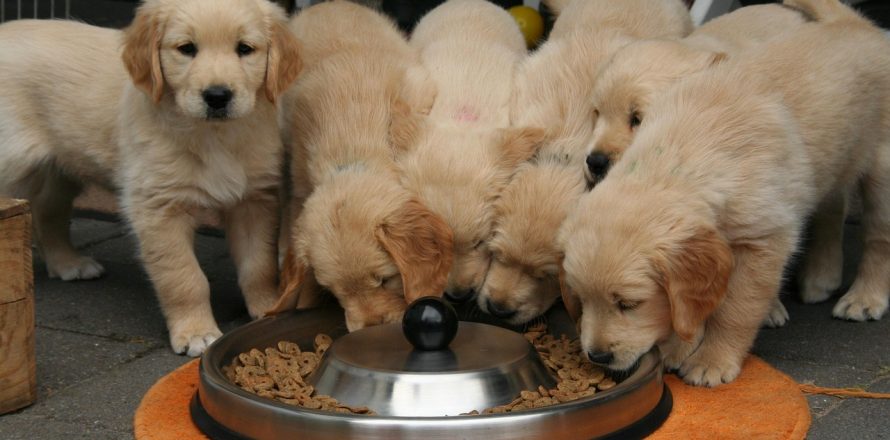
The issue of puppy farming in Ireland continues to be a serious welfare concern. This 10 minute podcast discusses the main issues involved. Click on the link at the foot of this page for more information, or read on for more.
There is a huge problem with the illegal production and export of puppies from Ireland, primarily to the UK and mainland Europe. This isn’t just about backyard breeders; it’s a sophisticated, cruel industry driven by profit, with devastating consequences for the animals involved.
The demand for popular breeds, often fueled by online advertising and impulsive purchases, creates a lucrative market for unscrupulous individuals. These operators, often referred to as “puppy farmers,” prioritize quantity over welfare, leading to appalling conditions for breeding dogs and their offspring.
What does this illegal trade look like?
-
Puppy Farms: These are often hidden, unlicensed facilities where dogs are kept in overcrowded, unsanitary environments. Breeding bitches are treated as production machines, often bred repeatedly with little recovery time, leading to severe health issues and psychological distress.
-
Lack of Veterinary Care: Puppies born into this trade often receive no veterinary attention, vaccinations, or parasite control. This not only puts their own health at risk but also poses a significant biosecurity threat, potentially introducing diseases to other countries.
-
False Documentation: To circumvent regulations and facilitate export, illegal traders often create fraudulent pet passports, microchip records, and vaccination certificates. This deception makes it incredibly difficult for authorities to trace the origins of these animals.
-
Smuggling Routes: Puppies are typically transported in cramped, unsuitable conditions, often sedated to minimize noise, enduring long journeys with inadequate food, water, or ventilation.
-
The Lure of Profit: The financial rewards are substantial. A single litter can fetch thousands of euros, and with multiple litters produced annually, the profits for these illegal operations are immense, far outweighing any potential fines or penalties if caught.
Why is Ireland a significant hub?
Several factors contribute to Ireland’s role in this illegal trade:
-
Geographic Proximity: Its close proximity to the UK makes it an ideal launching point for exports.
-
Historical Lapses in Legislation: While significant improvements have been made, past gaps in animal welfare legislation allowed puppy farming to become entrenched.
-
Enforcement Challenges: Despite the best efforts of dedicated agencies, the sheer scale of the problem and the clandestine nature of these operations make enforcement a constant challenge.
The Human and Animal Cost:
The true cost of this trade is borne by the animals and unsuspecting buyers:
-
Animal Suffering: Puppies often arrive at their new homes sick, malnourished, and traumatized. Many suffer from severe behavioral problems due to early life experiences.
-
Heartbreak for Owners: Buyers, often drawn in by seemingly good deals or adorable online photos, face significant veterinary bills and emotional distress when their new puppy falls ill or exhibits severe behavioral issues.
-
Animal Health Risks: The spread of diseases like parvovirus and distemper is a genuine concern due to unvaccinated and poorly cared-for puppies.
What’s being done and what more is needed?
Significant strides have been made with strengthened legislation in Ireland, increased inspections, and cross-border cooperation between law enforcement agencies and animal welfare organizations. However, more is needed:
-
Increased Public Awareness: Educating the public about the red flags of illegal puppy sales is crucial. Buyers must be encouraged to “see the mother” and verify documentation.
-
Stricter Enforcement: More resources are needed for investigations, prosecutions, and robust penalties that act as a genuine deterrent.
-
International Cooperation: Enhanced intelligence sharing and collaborative efforts between Irish, UK, and European authorities are vital to disrupt these cross-border criminal networks.
-
Responsible Pet Ownership: Ultimately, reducing demand for illegally bred puppies starts with responsible pet ownership and considering adoption from reputable shelters.
The illegal puppy trade is a stain on our society. By understanding its complexities and supporting efforts to combat it, we can work towards a future where every puppy has a chance at a healthy, happy life.
Listen to the podcast below
Please note that I am unable to answer veterinary questions in comments. If you have questions or concerns about your pet's health it is always better to contact your vet.