
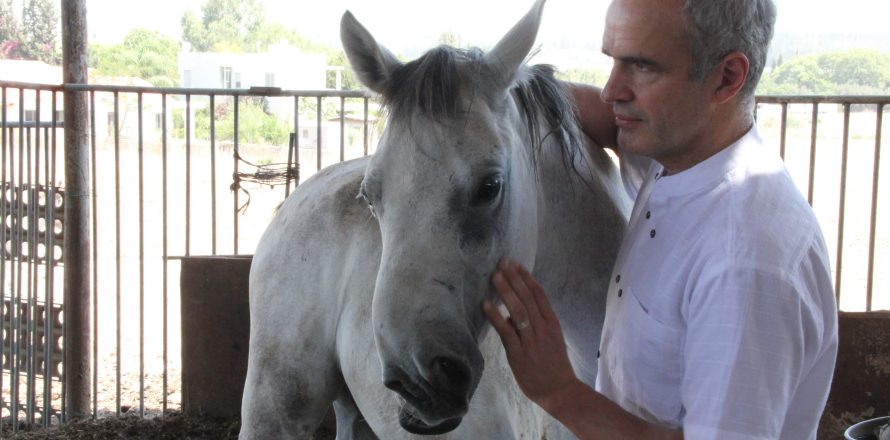
I was recently interviewed by Killian O’Keefe of Ruby Reese Pet Care and the human-animal bond featured strongly, as this has been one of the most important aspects of my life and career.
Killian asked me a wide range of questions: you can watch the video here.
I’ve written a few of the key points into the blog post below, as a type of summary, but please do watch the full video or listen to the whole podcast.
When reflecting on more than four decades as a veterinary surgeon, the technical advancements in medicine are remarkable, but the transformation in the human-animal bond has been just as profound.
Veterinary medicine is as much about human relationships, empathy, and communication as it is about biology.
From my decades spent in my companion animal practice in Bray, I have learned that caring for pets provides a unique lens into human nature and the modern household.
The Evolution of the Family Pet
The role of companion animals in society has undergone a massive cultural shift:
- From Working Animals to Family Members: Decades ago, dogs were frequently kept outdoors or in yards, and cats were rarely permitted inside the home. Today, pets live indoors and are widely considered full family members or surrogate children.
- The “Pet Parent” Dynamic: Young couples increasingly welcome a pet before starting a family, pouring enormous nurturing energy into their animals and expecting a standard of healthcare comparable to human medicine.
- A Source of Connection: In a fast-paced, digital world dominated by screens, walking a dog or resting with a cat reconnects owners with the tangible, natural world and grounds daily life.
What Animals Teach Us About Human Nature
Interacting with animals every day offers key insights into behavioral health and emotional well-being:
- Models of Everyday Mindfulness: While humans often fixate on past regrets or future anxieties, dogs and cats live entirely in the immediate present, responding strictly to what is right in front of them.
- Teamwork vs. Individuality: Dogs operate with a pack mentality (“I am us”), teaching loyalty and social cooperation. Cats, by contrast, embody healthy boundaries and self-assurance (“I am me”).
- The Price of Deep Love: Grief at the end of a pet’s life is deeply painful, but it directly mirrors the profound joy and companionship they provided throughout their years.
Modern Veterinary Costs and “Contextual Care”
Pet owners care deeply for their pets, and want to do their best to look after them. They frequently ask why veterinary treatment costs more today than in decades past:
- Advanced Diagnostics: Practices now utilise advanced diagnostic tools—such as high-resolution ultrasound, CT scans, and extensive lab panels—delivering a level of medical precision that did not exist thirty years ago.
- Tiered Options: High-tech care is the gold standard, but veterinary care is not “all or nothing.” Vets can easily provide “contextual care” tailored to an owner’s financial realities, offering effective bronze, silver, or gold treatment pathways.
- The Value of Pet Insurance: Having a pet insured removes financial barriers during a crisis, allowing clinicians to focus entirely on optimal medical outcomes, with the “gold” tiered treatment level becoming the standard way to proceed.
Common Pet Misconceptions
One of my aims as a public educator in the media in Ireland has been to help to dispel frequent misunderstandings in companion animal care:
- Exotic Husbandry: Small mammals like rabbits, guinea pigs, and gerbils have highly specialized dietary, environmental, and handling requirements that demand thorough pre-purchase research.
- Misunderstanding Pet Body Language: A wagging tail indicates emotional arousal or ambivalence rather than simple happiness. Very few people realise this simple fact.
- Outdated Dog Training Concepts: Dominance theory in dog training has been thoroughly debunked by modern behavioral science in favor of positive reinforcement, but the concept is still widely believed by the public, leading to serious misunderstandings about how to interact with pets.
We discussed much more than this in the interview, so please do listen to the full discussion if you get a chance.
If you cannot see the video in this post, you can watch it here.

Please note that I am unable to answer veterinary questions in comments. If you have questions or concerns about your pet's health it is always better to contact your vet.