
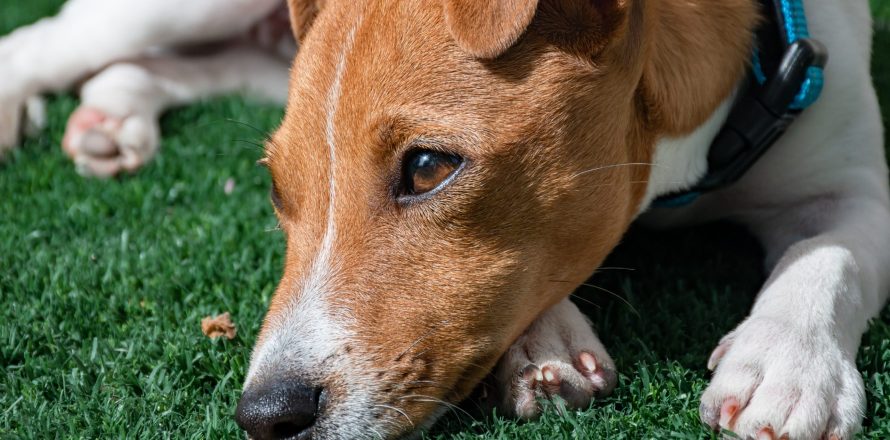
The death of a pet is one of the most intense, heartbreaking experiences an owner can face. Unfortunately, society often minimises this grief, not giving people the space and understanding they need.
When a human passes away, our culture provides clear rituals that have evolved to ease our pain: funerals, condolences, community gatherings, and structured periods of mourning. With pets, owners are often left to grieve quietly, wondering why they feel so devastated and asking themselves if their reaction is “too much”.
The grief felt over a pet is entirely natural and deeply valid. It stems from the unique nature of the human-animal bond.
Why Pet Loss Cuts So Deep
Human relationships are complex, layered with subtext, expectations, and occasional friction. The connection shared with a dog, cat, or other companion animal is fundamentally different:
-
Unconditional Acceptance: Animals do not judge bad moods, long silences, or mistakes. They offer a constant, uncomplicated emotional safe haven that is rarely seen in human-human relationships.
-
The Loss of Daily Routine: A pet shapes the architecture of many owners’ daily lives. Morning greetings, feeding schedules, exercise, and quiet evenings together form the framework of the daily routine. Losing an animal removes both the loved creature, and also the daily rhythm that makes up an owner’s life.
-
Disenfranchised Grief: Society lacks public avenues—such as formal services or death notices—to acknowledge pet loss. When an owner’s grief goes unrecognized by the wider world, processing that pain becomes significantly harder. People often feel very much on their own, unsupported by those around them.
Meaningful Rituals for Healing
Navigating grief requires finding ways to process the emotional vacuum left behind. If feelings become overwhelming, speaking with a dedicated pet bereavement counsellor offers structured, compassionate guidance. The Irish Blue Cross charity provides this service, with a free, confidential pet loss support helpline on 1800 83 9954.
There are also many private counsellors with a particular interest in this area.
For everyday healing, creating personal memorial rituals can provide help to reach a level of acceptance of the loss:
-
Keepsakes and Memorials: Saving a pet’s collar in a frame by a window, or keeping an ink nose print or clay paw print, offers a tangible reminder of their presence.
-
Planting a Tree: Planting a memorial tree or shrub in the garden establishes a lasting, living tribute.
-
Scattering Ashes: Holding a small family gathering in a pet’s favorite outdoor spot to scatter their ashes creates an intentional moment of reflection and a chance to say a formal farewell.
The Final Contract: Euthanasia and Pain
One of the most agonizing responsibilities of pet ownership is making the decision to euthanase a pet. Unlike humans, whose end-of-life care is often managed medically without active choice by relatives, pet owners must decide when their companion’s quality of life has slipped away, and they then need to organise the end of life process. This can be very difficult and upsetting.
One useful way to frame this decision is to see euthanasia as the ultimate contract of love: we choose to take on the emotional pain of a pet’s death and absence, and by us accepting this, they no longer have to endure the physical suffering that would otherwise lie ahead of them. Reframing and recognising that choice can help to shift the emotion from a feeling of guilt to an act of bravery and compassionate care.
When to Open Your Heart Again
A common question after losing a pet is how long to wait before welcoming another. Rushing in to place a “bandage” on acute grief rarely works. Your heart needs adequate time to mourn the unique individual who has passed. When the moment is right, owners usually simply know that they are ready. Surprisingly often, another animal will naturally step into that space.
Click on the play button below to listen to the podcast on this topic.


Please note that I am unable to answer veterinary questions in comments. If you have questions or concerns about your pet's health it is always better to contact your vet.