
Are you tuned in to your dog’s body language?
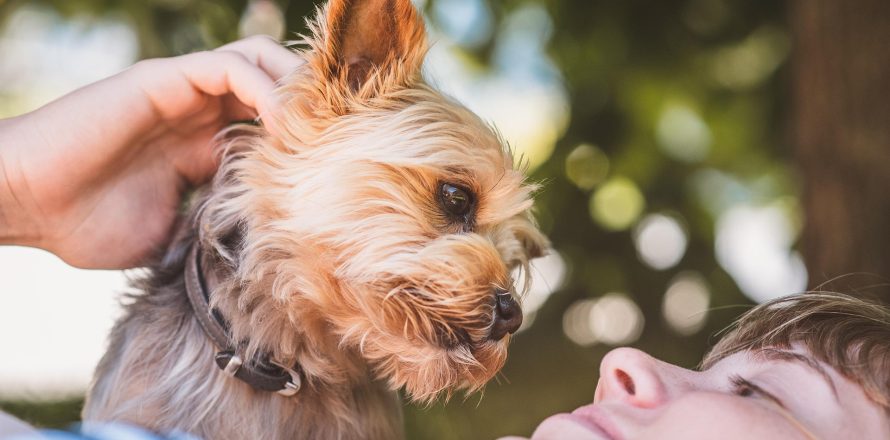
We’ve all seen them—and let’s be honest, many of us have taken them. Those adorable, nose-to-nose selfies where a pet owner’s face is pressed right against their dog or cat’s muzzle. They perform beautifully on Instagram, but as a veterinarian, these photos often make me cringe.
While it looks like a moment of pure connection, you are often inadvertently putting yourself in the “danger zone” for both behavioural outbursts and biological risks. Being aware of your dog’s body language is the key to better, safer and happier selfies.
Listen to the podcast below or read on for more.
The “Safety Zone” and Canine Body Language
Most animals, especially dogs, view personal space differently than humans do. In the wild, a face-to-face approach is often seen as a challenge or a threat. When you put your face directly next to your pet’s, you are removing their “flight” option, leaving them only with “fight.”
- The Freeze: Many pets in these photos aren’t “smiling”; they are exhibiting a “closed mouth” freeze, which is a precursor to a snap.
- Whale Eye: If you see the whites of your dog’s eyes in the photo, they aren’t happy—they are stressed.
- Lip Licking: This is often a displacement gesture indicating high anxiety.
Even the most “bomb-proof” family dog has a breaking point. When a bite happens inches from your eyes, nose, or lips, the damage is often surgical and life-altering.
Understanding a Dog’s Body Language
Happy dog
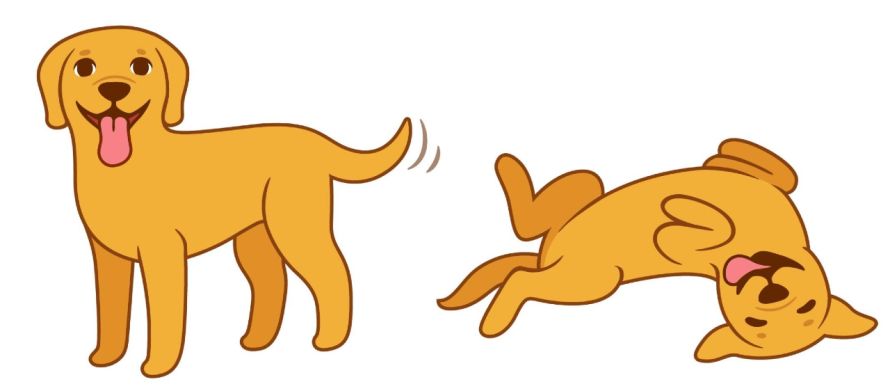
- Relaxed posture, mouth open, wagging tail
- Dog is friendly and invites interaction
Worried Dog

- Dog avoids eye contact
- Body is tense, tail held low
- Licks lips or yawns
- Lifts front paw in hope of disengaging
Very Stressed Dog
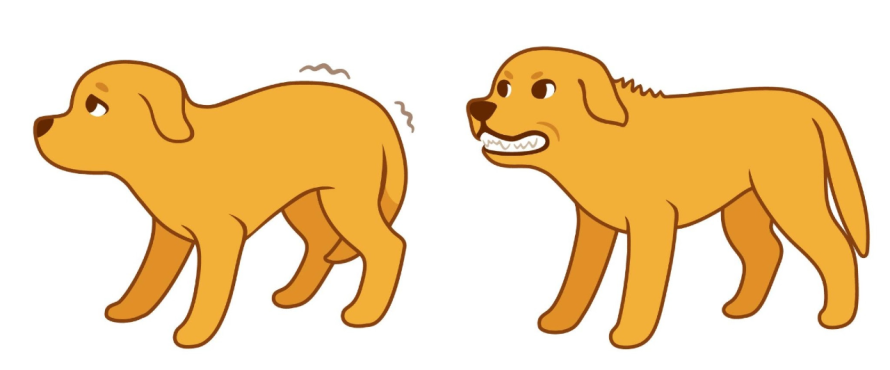
- Very tense, cowering and trembling
- Hair raised on back of neck
- Growls, snarls or bares teeth
- Feels threatened and is ready to bite
The Invisible Risk: Zoonotic Diseases
Beyond the dog’s body language and the physical risk of a bite or scratch, there is the microbial reality of close contact. Zoonotic diseases are infections that jump from animals to humans. Your pet’s mouth and fur are ecosystems for bacteria that your immune system might not be prepared for.
- Capnocytophaga: This bacterium lives in the normal oral flora of dogs and cats. While rare, it can enter through a tiny scratch or even contact with mucous membranes (like your mouth or nose), leading to severe sepsis in humans.
- Parasitic Hitchhikers: Fecal particles can easily linger on a pet’s coat. Snuggling face-to-fur increases the risk of contracting Toxocariasis (roundworms) or Giardia.
- Pasteurella: Frequently found in feline mouths, this can cause nasty skin infections or respiratory issues if inhaled or transferred via a small “love nip.”
The Verdict: Better Ways to Bond
I love seeing the bond between my clients and their pets, but let’s keep it safe. Instead of the face-to-face squeeze, try these “Vet-Approved” photo ops:
- The Side-by-Side: Sit next to your pet and look at the camera together without leaning your weight into their space.
- The Action Shot: Capture them playing or fetching—it shows their personality without the physical pressure.
- The “Hand on Shoulder”: A gentle hand on their back is much less threatening than a face in their personal bubble.
Always be aware of your dog’s body language, keep the cuddles relaxed, keep your face a safe distance away, and always wash your hands after a heavy session of “puppy love.”


Please note that I am unable to answer veterinary questions in comments. If you have questions or concerns about your pet's health it is always better to contact your vet.