
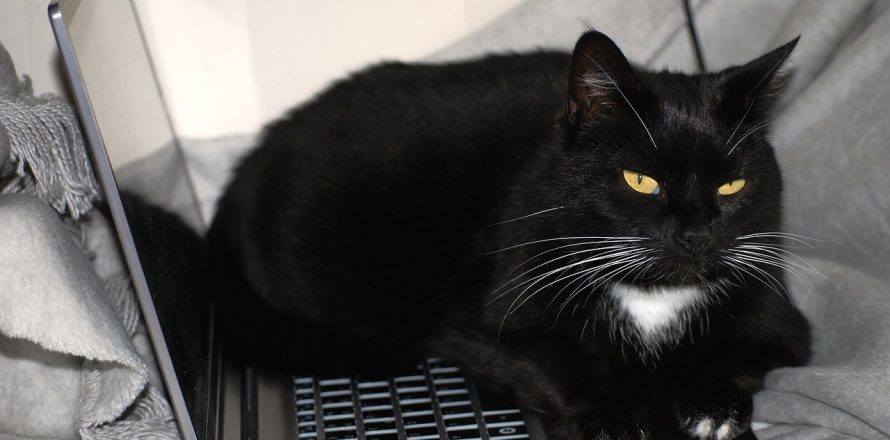
Technology is helping us monitor pet health, spotting illnesses before they are serious. Listen to podcast below or read on to find out how.
From “Good Boy” to “Data Point”: Is Pet Tech the New Vet Assistant?
As a veterinarian, the hardest part of my job has always been that my patients can’t talk. For decades, we’ve relied on a pet owner’s “gut feeling” to catch illness. But in 2026, the “silent patient” finally has a voice. Pet tech has evolved far beyond simple GPS trackers and step counters. We are now entering the era of Predictive Wellness, where data catches disease weeks before a physical symptom appears.
The 3 Pillars of 2026 Pet Tech
- Biometric Wearables: Devices like the Minitailz or PetPace now monitor Resting Respiratory Rate (RRR) and Heart Rate Variability (HRV). These are the “early warning systems” for heart failure and chronic stress.
- Smart Home Ecosystems: AI-enabled litter boxes and water fountains (like Litter-Robot or Petlibro) track precisely how much a pet drinks or eliminates. A 20% spike in thirst is often the first sign of kidney disease or diabetes.
- Behavioral AI: Advanced sensors can now differentiate between a “scratch” and a “lick.” If your dog’s licking increases by 40%, you’ll know they have an allergy flare-up before they even develop a “hot spot.”
When to Call the Vet: The “Data Tripwires”
Data is only useful if you know when to act. If your app shows any of these “Red Flags,” it’s time to skip “Dr. Google” and call your clinic:
- The Sleep Spike: A consistent increase in resting breaths per minute (over 30 bpm for most dogs/cats).
- The Thirst Threshold: A sustained 30% increase in daily water intake over three days.
- The Frequency Flip: A cat visiting the litter box 5+ times in a day with little to no waste produced (Emergency!).
- The Restlessness Score: A 50% drop in sleep quality, which usually signals unmanaged arthritis pain.
The Bottom Line
Tech isn’t a replacement for a physical exam—it’s a conversation starter.
By bringing objective data to your vet visit, we can move from “reactive” medicine (fixing a problem) to “proactive” medicine (preventing one).
We aren’t just extending our pets’ lifespans anymore; we are extending their healthspans.

Please note that I am unable to answer veterinary questions in comments. If you have questions or concerns about your pet's health it is always better to contact your vet.