
Injured wildlife need to be helped by humans. Incapacitated animals cannot help themselves and they will suffer if left on their own.
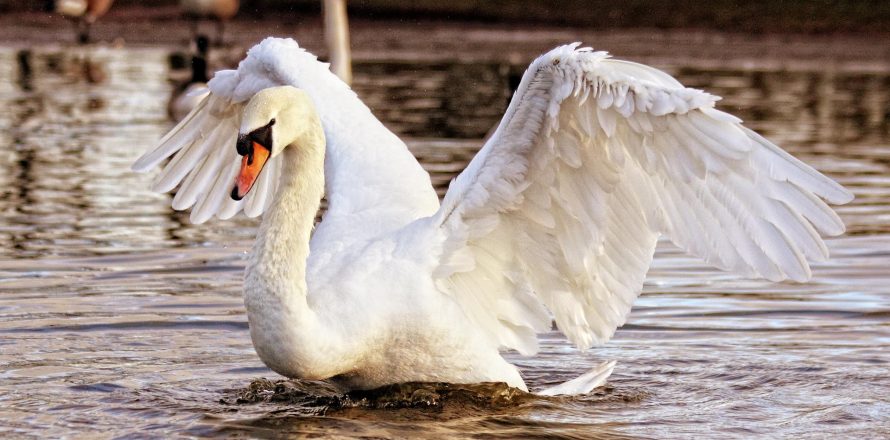
The swan population at Bray Harbour is one of the town’s most cherished natural features. While the harbour provides an abundant source of food and shelter, it is not an isolated sanctuary—it is a busy working environment where wildlife regularly intersects with daily human activity.
Following recent tragedies involving injured swans at the harbour, it is vital for residents and visitors to understand the primary risks these birds face and the exact steps to take when an animal is in distress.
The Main Hazards at Bray Harbour
While animals naturally face illness and injury in the wild, many incidents at the harbour stem from preventable human-related hazards:
- Vehicle Collisions: Swans frequently waddle across roadways and parking areas adjacent to the water. Drivers who are unaware of their presence—or who reverse without checking blind spots—represent the single most common cause of severe trauma.
- Unleashed Dogs: Dogs off-lead can easily chase, stress, or attack swans resting near the shore. Keeping dogs under strict leash control around the harbour is essential.
- Overhead Cables: Swans are heavy birds with wide wingspans, making low-altitude flight near overhead railway and power lines—such as those along the DART line—a significant collision risk.
What to Do If You Spot a Swan in Trouble
A dedicated team of local volunteers monitors the Bray Swan Sanctuary population, though they cannot be physically present at the harbour around the clock. Public vigilance is critical.
If you see a swan that appears injured, lethargic, or in immediate danger:
- Call the Bray Swan Sanctuary Helpline: Dial 01 254 2229. This number has been active for decades and redirects immediately to the volunteer on duty who can attend the harbour and assess the bird.
- Do Not Attempt Risky Rescues: Swans are large, powerful birds capable of inflicting injury if cornered or handled incorrectly while frightened. Keep a safe distance and wait for trained responders.
Helping Injured Wildlife Across Ireland
Knowing how to report injured wildlife anywhere in the country can save precious time. Different organizations handle specific cases:
- Domestic Animals: For stray injured dogs, cats, other pets or horses, contact the NSPCA. The animal cruelty helpline is 01 499 4700 or email: info@nspca.ie.
- Wild Birds and Mammals: For injured foxes, badgers, seabirds, or swans outside the immediate Bray volunteer network, contact Kildare Wildlife Rescue (KWR) via email at info@kwr.ie. Their volunteer team monitors emails continuously from 8:00 AM to 11:00 PM.
When reporting an injured wild animal to KWR, follow this simple three-step protocol:
- Take a Photo or Short Video: Visual evidence helps responders assess the species and severity of the injury before arriving.
- Pinpoint Your Exact Location: Download the free what3words app. The app assigns a unique three-word code to every 2-metre square of land on Earth, allowing you to copy and paste your exact coordinates even when walking along remote paths or beaches without an Eircode. This makes it easy for volunteers to find the injured wildlife.
- Send the Details: Email the photo/video, your name, and the three-word location to info@kwr.ie for immediate instructions or volunteer dispatch.
Animals in trouble, whether pets or injured wildlife, depend on human strangers to help them. Please do your best. Don’t assume someone else will help.

Please note that I am unable to answer veterinary questions in comments. If you have questions or concerns about your pet's health it is always better to contact your vet.