
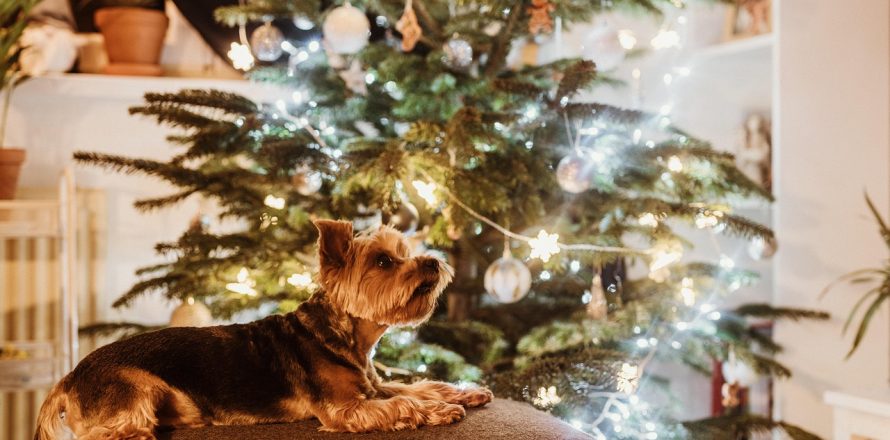
This week’s short podcast talks about what to do if your pets gets into trouble this Christmas, and how to avoid the most common problems at this time of year.
Christmas should be about relaxation, not emergency vet visits. To keep your pets safe and your holiday uninterrupted, follow these three simple rules.
1. Avoid the Holiday Crisis
Most Christmas emergencies are preventable. Your local vet will be on an emergency-only schedule, so keep these hazards in mind:
-
Physical Hazards: New decorations, tangled tinsel, and twinkling light cables are irresistible to curious pets. Monitor how your pet interacts with new items; if they look like chew toys, move them out of reach.
-
The Chocolate Thief: The real danger isn’t the odd treat; it’s the stolen box. Dogs can smell chocolate through wrapping paper. My own dog, Kiko, once raided a box of Milk Tray from the table and required an emergency injection to induce vomiting. Don’t wait if your pet indulges—get them to the vet immediately so the toxins can be cleared before they are absorbed.
-
Toxicity Cheat Sheet:
-
Chocolate: Dark chocolate is the most dangerous. For a small (5kg) dog, just 50g (half a bar) can be fatal. For an instant opinion of the risk, check out this chocolate toxicity calculator but if in doubt, always contact the emergency vet.
-
Plants: Lilies are highly toxic to cats. Keep poinsettia, mistletoe, and liquid potpourri well out of reach.
-
Pantry: Grapes and raisins (found in Christmas cake and pudding) are toxic to dogs.
-
-
Rich Foods: Avoid “Gastroenteritis Christmas.” Overindulging your pet with fatty scraps is the #1 cause of holiday call-outs. If you must share, keep seasonal “extras” to less than 10% of their usual meal. Securely bin all meat wrappers and bones to prevent late-night scavenging.
2. Stick to the Routine
Pets don’t have a calendar; they thrive on predictability. Even if your schedule is chaotic, try to keep theirs stable:
-
Walks: Stick to the usual 25 minutes, twice daily. It burns off their energy (and yours!).
-
Mealtimes: Feed them at their usual time. It’s the highlight of their day.
-
Quality Time: Amidst the commotion, spend five minutes reassuring your cat or dog that they are still the priority.
3. A Little Pampering
Pets are family, so do include them in the festivities!
-
Photos & Fun: If they don’t mind, a tinsel collar or a quick Santa hat photo is a great memory.
-
Gifts: Wrap a new toy or a healthy treat. Watching them “help” unwrap a present is often the best part of Christmas morning.
Enjoy Christmas and have a lovely break together with your family, animals and people alike.
Please note that I am unable to answer veterinary questions in comments. If you have questions or concerns about your pet's health it is always better to contact your vet.