
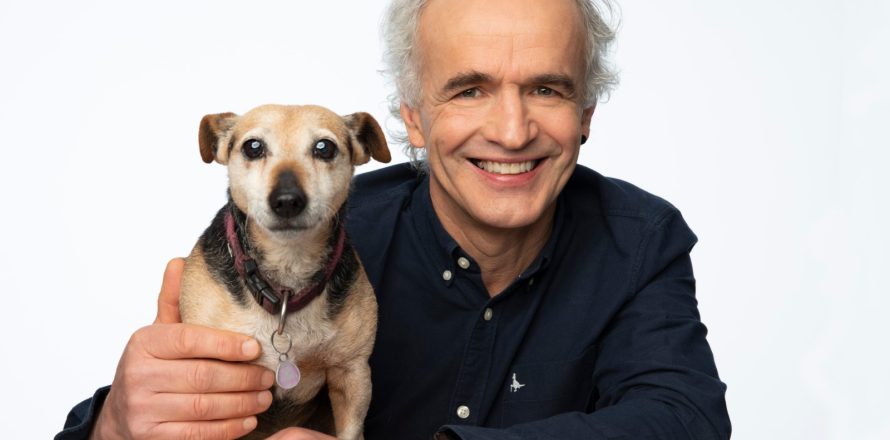
Emergency vet care has changed hugely in three decades. Reflecting on my time as a vet, it is hard to believe I have been practicing in Bray for 35 years now. Having worked in the veterinary profession for over 40 years, I am frequently reminded that this job never stops being fascinating. Just when you think you have seen it all, a unique case will puzzle you, spark a discussion, and reveal something completely new.
Probably the single aspect of the profession that has changed the most during my career is how we handle an emergency veterinary care crises.
emergency vet care: From Pagers to 24-Hour Clinics
When I first arrived in Bray back in 1991, the after-hours system was entirely local. Every single veterinary practice ran its own on-call service. In my three-vet clinic, that meant working a gruelling rotation of one night in three and one weekend in three. We didn’t even have mobile phones back then; we carried pagers and had to find a landline whenever a client paged us with a crisis.
During the 1990s, local clinics realized we could cooperate to share the burden, which eventually led to the creation of dedicated, centralised emergency clinics. The first centralised pet emergency hospital was established at UCD, managed and run by local practitioners in conjunction with the University. This served the area wonderfully for over a decade.
Today, the landscape has expanded significantly. Depending on where you live, you now have access to four or five superb emergency after-hours facilities within a 45-minute drive of Dublin city center, including UCD, the Village Vets group (with clinics in Dundrum, Ashbourne, and County Kildare), My Vet in Lucan, and the Vet Specialists in Summerhill, Co Meath, .
If your pet has an urgent medical issue, the golden rule remains simple: phone your local clinic first. Their answering machine will always leave a direct message detailing exactly which emergency care facility they are partnered with and how to reach them immediately.
Do Dogs Actually Sense Our Emotions?
A listener recently asked if their dog was truly comforting them during a sad moment or if it was just their imagination. While we need more definitive scientific studies, recent neurological research is yielding fascinating clues.
Scientists recently placed dogs into functional MRI scanners to look at their brain activity. By training dogs to lie perfectly still, researchers observed how their brains reacted to different scenarios, such as watching their owner give a treat to a rival dog versus putting it in a bin. The data shows that animals are much closer to us emotionally than we historically assumed. Your dog is deeply attuned to your body language and subtle emotional cues. Because they view you as their crucial pack leader, when you feel that they understand your emotions and are offering you their support, this is not your imagination: their comforting presence is completely real.
Midnight Cat Attacks
We also tackled some lighter behaviour puzzles from listeners, including an indoor cat that insists on launching “toe attacks” at 3:00 AM. This comes down to a cat’s natural nocturnal sleep-wake cycle. If you are fast asleep and your toes twitch under the blanket, your cat perceives it as a moving, highly enticing toy. It isn’t personal; they are simply bored and looking for a playmate!
Beach Scavengers
Finally, I urged caution regarding dogs who scavenge on walks. Dogs are natural scavengers, but eating decomposed debris can lead to severe gastroenteritis. To highlight the danger, I recalled a highly unusual case where a dog developed a massive, exotic worm that completely occupied its kidney. An ultrasound scan revealed the silhouette of the parasite, which the dog had contracted from eating a rare type of raw fish washed up on the beach.
When it comes to scavenging, never assume your pet has the sense to avoid toxic items. If they start eating something like it’s a dinner bowl, step in immediately!
Listen to the podcast below for more on these topics!
Got a pet query or need to find a local clinic partner? Visit Pete the Vet for expert guidance.


Please note that I am unable to answer veterinary questions in comments. If you have questions or concerns about your pet's health it is always better to contact your vet.