
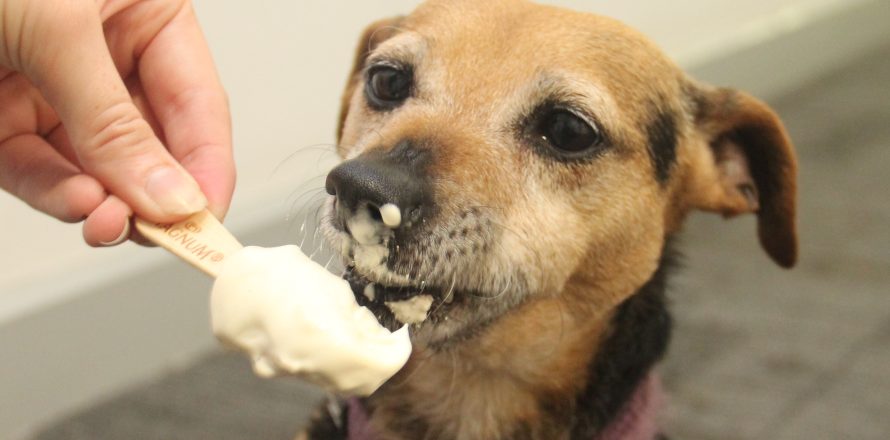
Summer pet safety is on all of our minds just now, as hot weather peaks in Europe and in many other countries.
There is nothing quite like a sunny evening walk when the weather warms up. Seeing a happy dog bounding around with pure joy on its face is enough to lift anyone’s spirits. However, as the temperature rises, the way our pets experience the weather changes drastically. As a vet, summer is one of my busiest times, often because well-meaning owners don’t realize how quickly the heat can become dangerous for their animals.
The Reality of How Dogs Cool Down
Unlike humans, dogs can’t sweat through their skin to cool off. Instead, they rely almost entirely on panting. When a dog pants, air moves rapidly back and forth over their tongue, evaporating moisture and releasing body heat. Because this process uses a massive amount of water, dogs can become dehydrated very quickly in hot weather. If they run out of moisture, their ability to regulate their temperature fails.
While cats are quite independent and excellent at finding shady spots to keep themselves cool, dogs rely on us to make the right calls.
Summer pet safety: The Hidden Danger of Summer Exercise
One of the most common ways dogs overheat is through exercise. You might just be strolling along, but your dog is likely running back and forth, activating large muscle groups that generate massive amounts of internal body heat. If they are doing this under a hot sun, they are warming up from the inside and the outside simultaneously.
This is the perfect recipe for heatstroke. A typical scenario involves a dog having an absolute ball on a sunny day, only to suddenly flop down, panting heavily, and refusing to move. This is a critical emergency. Heatstroke can cause severe internal organ damage and can be fatal if not treated immediately.
To prevent this, exercise your dog during the coolest parts of the day—either first thing in the morning or late in the evening. Always carry fresh water and a portable bowl with you.
What to Do in a Heat Emergency
If you suspect your dog is overheating, you must act fast. Start cooling them down immediately by applying cool (not freezing) water to their body using wet towels, a T-shirt, or by taking them to a shallow river or lake.
Once you’ve started the cooling process, get them to a vet right away. Remember, all registered vets are obligated to provide or give you access to a 24-hour emergency service, so help is always available, even out of hours.
Managing Vet Costs in a Crisis
Emergency veterinary care requires dedicated round-the-clock staffing and advanced equipment, which means it can be expensive. To avoid financial stress during a pet emergency, consider looking into pet insurance early in your pet’s life. If your pet is older or insurance isn’t an option, ask your local clinic about Pet Health Plans, which allow you to budget monthly for basic care and consultations.
For lower-income households, mobile charity clinics run by organizations like the NSPCA or Blue Cross offer fantastic basic care and advice in exchange for a small donation.
Also, never be afraid to talk to your vet openly about “contextual care”—discussing what you can realistically afford upfront so they can tailor a treatment plan that keeps your pet safe without breaking the bank.

Please note that I am unable to answer veterinary questions in comments. If you have questions or concerns about your pet's health it is always better to contact your vet.