
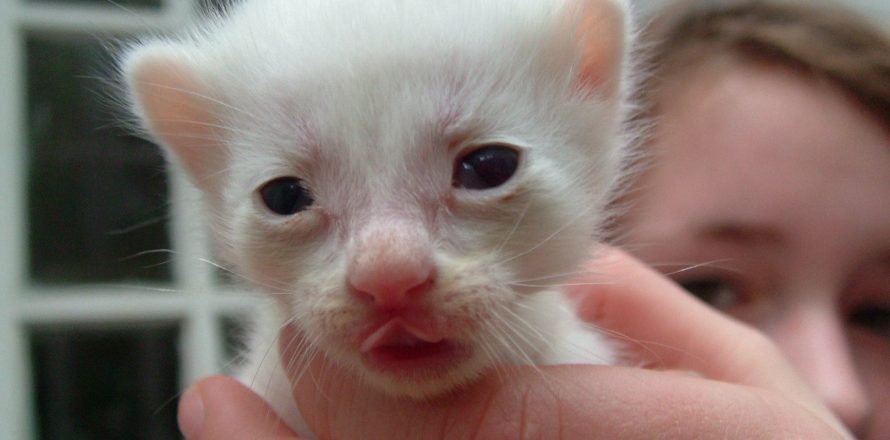
Finding out your pet is pregnant can bring a sudden wave of panic. While the thought of a litter of adorable puppies or kittens may be, at one level, exciting, it’s also a huge responsibility, not to be taken at all lightly. Managing pet pregnancies requires careful planning, hard work, and dedicated preparation.
Before diving into how to care for an expectant animal, it’s vital to address the bigger picture. In Ireland, we already have a significant issue with unwanted animals. Pregnancy and birth also introduce genuine stress and health risks to your beloved pet. For the vast majority of family pets, spaying or neutering remains the absolute best choice.
Generally, cats should be spayed around five to six months of age, while for dogs, it typically should be done between six months and a year and a half, depending on the breed.
However, if you have rescued a pregnant animal or have made a carefully considered decision to breed, understanding how to safely navigate this journey is essential.
Essential Steps for Managing Pet Pregnancies
The safest first step is always to schedule an appointment with your vet for the animal equivalent of antenatal counselling. Your vet will guide you through the process, but here are the core areas you need to focus on:
- Boost Their Nutrition: Expectant mothers aren’t just eating for themselves—they are feeding an entire litter. You don’t need to give them special supplements like calcium unless specifically advised by your vet. Instead, simply feed them more food, more often as the pregnancy progresses.
- Keep Up with Worming: It is highly recommended to administer proper worming doses throughout the pregnancy. This significantly reduces the risk of the puppies or kittens being born with heavy worm burdens passed on from their mother.
- Track Her Temperature: A brilliant and simple tip is to learn how to take your pet’s temperature. In the 24 hours before a female dog gives birth, her temperature will noticeably drop by one or two degrees. By monitoring this daily during the final ten days of pregnancy, you can accurately predict when labor is about to begin.
- Practice “Masterly Inactivity”: Once the litter arrives, it is a very delicate time. New mothers are naturally protective and prefer to be left alone to care for their newborns. If you hover over them or handle the babies too much, the mother may perceive you as a threat. In extreme cases, stressed mothers (especially cats) may pick up their litters and flee to a hidden, unsafe location outside. Watch from a respectful distance to ensure everyone is feeding, but give them their space.
- Monitor Growth and Health: While you should avoid crowding them, you should still keep a close eye on development. A helpful tip is to weigh the puppies or kittens daily on digital kitchen scales and record their weights to ensure they are growing steadily.
The Importance of Early Socialization
- Puppies and kittens should stay with their mother until they are at least two to three months old. During these crucial early weeks, your primary job is proper socialization.
- Young animals learn how to interact with the world during this period. To raise calm, well-adjusted adults, ensure they have positive, gentle experiences with humans of all ages—from children to adults. They should also be gradually introduced to normal household sights and sounds, such as the television, a spinning washing machine, or a running vacuum cleaner.


Please note that I am unable to answer veterinary questions in comments. If you have questions or concerns about your pet's health it is always better to contact your vet.